


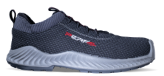
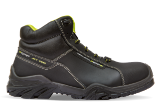
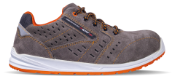
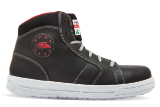
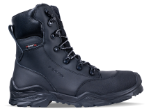
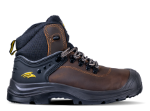
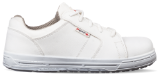
What are sustainable safety shoes?
Sustainable safety shoes combine certified protection for workers with eco-friendly materials and low-impact production processes. Components such as toecaps, midsoles and puncture-resistant inserts are designed to ensure safety while reducing the use of virgin raw materials.
Which recycled materials are used in eco-friendly safety footwear?
Recycled fibres and recovered materials are used in eco-friendly models: for instance, the puncture-resistant insert is made from 85% recycled polyethylene fibre, the midsole uses 15% recycled polyurethane, the tread contains up to 30% recycled rubber and the aluminium alloy toecap consists of 15% production waste.
What is the advantage of choosing safety shoes made from recycled materials?
Using recycled materials reduces the consumption of raw materials, limiting emissions and ensuring performance comparable to that of virgin materials. Choosing recycled toecaps and midsoles helps to reduce the energy required for production and to minimise waste, without compromising on protection and comfort.
What are the principles behind the sustainable production of safety shoes?
Responsible production follows certain criteria: reducing the use of virgin raw materials by using fully or partially recycled materials, minimising processing waste and promoting reuse, complying with environmental protection criteria and selecting suppliers who share the same sustainable vision. Choosing PFAS-free leathers also helps to decrease environmental impact.
What do the acronyms S1, S2 and S3 mean in safety shoe standards?
S1: includes a safety toecap, an antistatic sole and a cushioned heel; suitable for dry conditions.
S2: adds a water-repellent upper for working in wet environments.
S3: in addition to S2 features, it incorporates a puncture-resistant midsole, slip-resistant sole and greater waterproofness, ideal for building sites and industries.
What is the EN ISO 20345 standard and what are the requirements?
EN ISO 20345 is the international standard for safety footwear: it requires a toecap capable of withstanding an impact of 200 joules and compression up to 15,000 newtons. All S1, S2 and S3 certified shoes must meet these requirements and guarantee protection against impact, crushing and slipping.
What features must safety shoes for the chemical and food industries have?
Slip-resistant soles and chemical-resistant materials are required for environments with oils, greases and aggressive liquids. Waterproof and easy-to-clean uppers, combined with treads formulated to maintain grip and stability even when using recycled rubber, ensure hygiene and safety. S2 and S3 models provide increased protection in wet conditions.
How can you maintain and clean safety shoes to prolong their life?
Before putting them on, open the shoes well and use a shoehorn to avoid deforming them. Lace up the shoes correctly and, after use, remove the insoles and leave them to dry in a well-ventilated place. Remove dirt with a soft brush or damp cloth and apply nourishing products. If the shoes are wet, avoid heat sources and insert newspaper to absorb moisture.
What is the puncture-resistant midsole and how is it made sustainably?
The puncture-resistant midsole is the insert that protects the sole of the foot from nails and splinters. In eco-friendly footwear, it can be made from high-density recycled fibres, such as 85% polyethylene, maintaining strength and lightness while reducing environmental impact.
Why avoid PFAS in safety footwear?
PFAS are polluting chemical compounds used in a number of tanning processes; if dispersed, they can harm the environment. Choosing shoes made from PFAS-free leather minimises the release of harmful substances and contributes to a healthier production cycle.
